Roof Replacement Newcastle: A Step-by-Step Guide to the Entire Process
A roof is one of the most important parts of any home, protecting it from the elements while contributing to its structural strength, energy efficiency, and overall appearance. Although most roofing systems are designed to last for decades, they eventually reach the end of their lifespan. When repairs are no longer enough to maintain the roof’s performance, replacement becomes the most practical solution.
Understanding the roof replacement process helps homeowners make informed decisions and prepare for the project with confidence. Whether your roof has suffered significant storm damage, is showing signs of age, or has ongoing structural issues, knowing what to expect can make the experience much smoother.
This guide explains every stage of Roof Replacement Newcastle, from the initial inspection to the final quality check, so you know exactly what happens during a roof replacement project.
Why Roof Replacement May Be Necessary
Every roof experiences natural wear and tear due to constant exposure to sunlight, rain, wind, and temperature changes. While routine maintenance and repairs can extend a roof’s lifespan, there comes a point when replacement is the better long-term option.
Some common reasons for replacing a roof include:
- Extensive storm damage
- Frequent roof leaks
- Aging roofing materials
- Structural deterioration
- Sagging roof sections
- Repeated repair costs
Choosing Roof Replacement Newcastle at the right time helps prevent further damage while improving the safety and performance of your property.
See also: LAX to BLR Business Class Flights Luxury Travel
Step 1: Conducting a Professional Roof Inspection
The first step in any roof replacement project is a thorough inspection.
A professional roofer evaluates the condition of the entire roofing system to determine whether replacement is necessary or if repairs would be sufficient.
During the inspection, they typically assess:
- Roofing materials
- Roof structure
- Flashing
- Gutters
- Roof ventilation
- Signs of moisture damage
- Overall structural condition
The inspection provides a clear understanding of the roof’s condition and helps identify any hidden issues that may affect the replacement process.
Step 2: Choosing the Right Roofing Materials
Selecting suitable roofing materials is an important part of the replacement process.
Different roofing materials offer varying levels of durability, maintenance requirements, and aesthetic appeal.
Factors to consider include:
- Local weather conditions
- Roof design
- Expected lifespan
- Maintenance needs
- Energy efficiency
- Overall appearance
Choosing quality materials contributes to a longer-lasting roof and improved protection for your home.
Step 3: Planning the Roof Replacement Project
Once the inspection is complete and materials have been selected, the replacement project is carefully planned.
Planning generally includes:
- Scheduling the work
- Ordering materials
- Preparing equipment
- Organizing waste disposal
- Reviewing safety procedures
Proper planning helps ensure the project progresses efficiently while minimizing disruption to the household.
Step 4: Preparing the Property
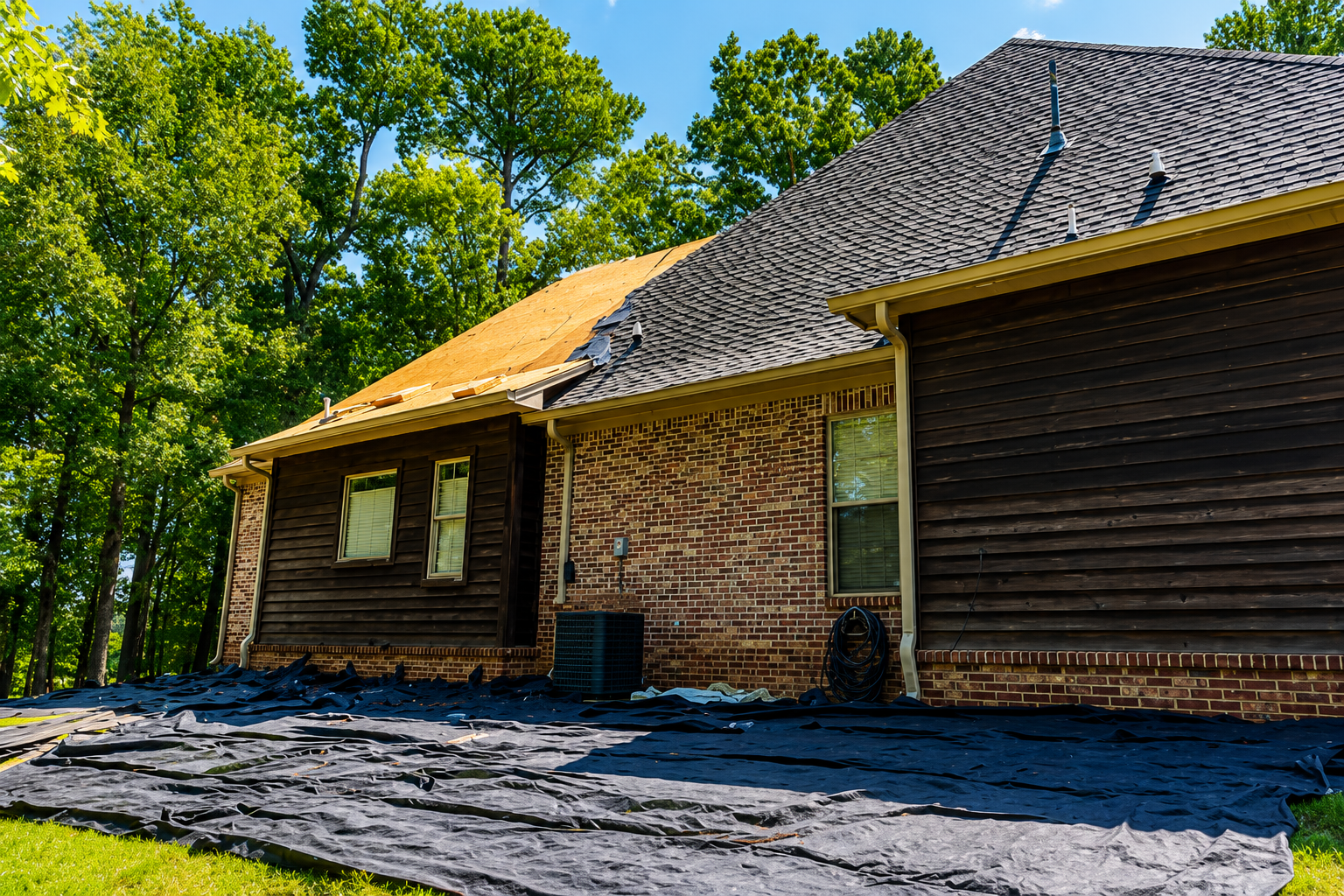
Before work begins, the property is prepared to protect surrounding areas from debris.
Preparation may involve:
- Covering landscaping
- Protecting outdoor furniture
- Positioning waste containers
- Establishing safe work zones
- Providing access for roofing equipment
Taking these precautions helps reduce the risk of accidental damage during the replacement process.
Step 5: Removing the Existing Roof
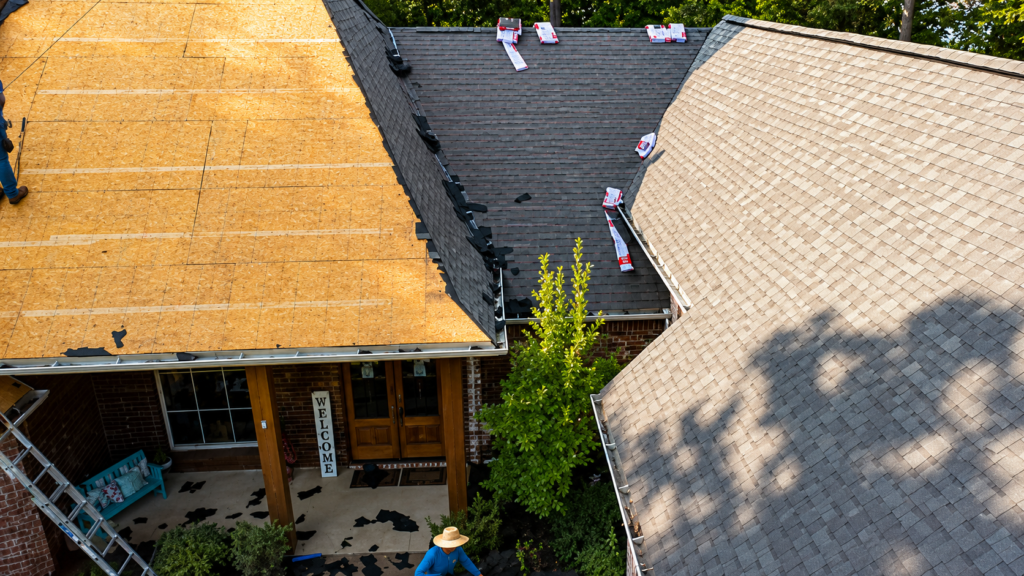
The old roofing materials are carefully removed to expose the underlying roof structure.
This stage allows roofers to inspect the decking for hidden damage that may not have been visible during the initial inspection.
During removal, professionals check for:
- Rotten timber
- Water damage
- Mold
- Structural weaknesses
- Damaged underlayment
Removing the old roof completely creates a solid foundation for the new roofing system.
Step 6: Repairing the Roof Structure
If any structural issues are discovered after the old roof is removed, repairs are completed before installation begins.
Possible structural work includes:
- Replacing damaged timber
- Repairing roof decking
- Reinforcing structural supports
- Fixing moisture-damaged areas
Addressing these issues ensures the new roof is installed on a stable and secure foundation.
Step 7: Installing the Underlayment
The roof underlayment provides an additional protective barrier beneath the roofing materials.
Its purpose is to prevent moisture from reaching the roof structure if rainwater penetrates the outer roofing surface.
Properly installed underlayment improves:
- Waterproofing
- Roof durability
- Moisture protection
- Overall roof performance
This layer plays an important role in extending the lifespan of the roofing system.
Step 8: Installing the New Roofing Materials
Once the underlayment is in place, the new roofing materials are installed.
Depending on the roofing system, installation may include:
- Roof tiles
- Metal roofing panels
- Ridge capping
- Flashing
- Ventilation components
Each section is carefully installed to create a secure and weather-resistant roofing system.
Professional workmanship during this stage is essential for achieving long-term performance.
Step 9: Final Inspection and Quality Check
After installation is complete, the roof undergoes a final inspection.
This quality check ensures every component has been installed correctly and meets expected performance standards.
The inspection usually includes:
- Flashing inspection
- Tile alignment
- Fastener security
- Ventilation assessment
- Gutter inspection
- General workmanship review
A final inspection provides confidence that the replacement has been completed properly.
Step 10: Cleaning the Site
Once the roofing work is finished, the worksite is thoroughly cleaned.
Roofing professionals remove:
- Old roofing materials
- Nails
- Debris
- Packaging
- Waste materials
Leaving the property clean is an important final step that ensures the home is safe and ready for normal use.
How to Care for Your New Roof
Although a newly installed roof requires less maintenance than an older one, regular care remains essential.
Simple maintenance practices include:
- Cleaning gutters regularly
- Inspecting the roof after storms
- Removing leaves and debris
- Trimming nearby tree branches
- Scheduling annual roof inspections
- Watching for signs of leaks
Routine maintenance helps maximize the lifespan of your new roofing system.
Benefits of Replacing an Aging Roof
Investing in Roof Replacement Newcastle provides several long-term advantages for homeowners.
Some of the key benefits include:
- Improved weather protection
- Better energy efficiency
- Reduced maintenance costs
- Enhanced structural safety
- Increased property value
- Improved curb appeal
- Greater peace of mind
A professionally installed roof can provide reliable protection for many years with proper maintenance.
When Should You Consider Roof Replacement?
While every roof ages differently, certain warning signs suggest replacement may be necessary.
These include:
- Frequent roof repairs
- Persistent leaks
- Sagging roof sections
- Cracked or missing roofing materials
- Extensive storm damage
- Visible structural deterioration
- Roofing materials reaching the end of their expected lifespan
Recognizing these signs early allows homeowners to plan ahead instead of facing unexpected roofing emergencies.
Final Thoughts
Replacing a roof is a significant investment, but it is also one of the most effective ways to protect your home and maintain its long-term value. Understanding each stage of the process—from the initial inspection and material selection to installation and final inspection—helps homeowners approach the project with confidence and realistic expectations.
Choosing Roof Replacement Newcastle when your existing roof has reached the end of its lifespan can improve safety, enhance energy efficiency, and reduce ongoing repair costs. Combined with regular maintenance and professional inspections, a high-quality roof replacement provides lasting protection and ensures your home remains secure and comfortable for years to come.