The Role of Emergency Cleaning Services in Health and Safety
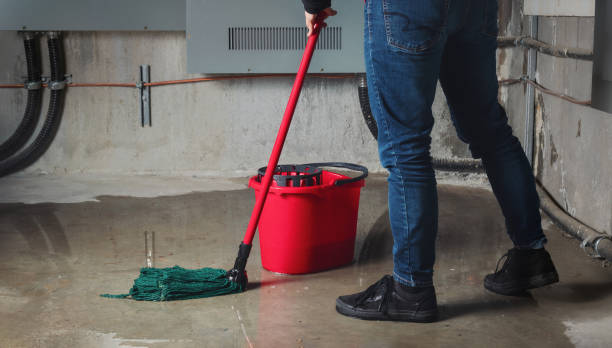
Unexpected incidents such as floods, fires, sewage backups, chemical spills, or biological contamination can create serious health and safety risks. In these situations, a quick response is essential to minimise damage and restore a safe environment. This is where emergency cleaning services play a vital role.
Emergency cleaning goes beyond standard cleaning tasks. Emergency cleaning services involve specialised procedures, equipment, and trained professionals who can safely remove hazardous materials, sanitise affected areas, and reduce the risk of long-term property damage. Whether the incident occurs in a residential property, office, warehouse, healthcare facility, or commercial building, emergency cleaning helps protect both people and property.
This guide explains the role of emergency cleaning services in maintaining health and safety, the situations where they are needed, and the benefits of responding quickly after an emergency.
Why Emergency Cleaning Services Are Important
Emergencies often leave behind more than visible damage. Water, smoke, chemicals, mould, and biological contaminants can pose significant risks if they are not properly addressed.
Emergency cleaning services are designed to:
- Remove hazardous materials safely
- Prevent the spread of harmful bacteria and viruses
- Improve indoor air quality
- Reduce the risk of mould growth
- Restore hygienic conditions
- Support safe occupancy of the building
- Minimise further property damage
A fast and organised response helps reduce health risks while allowing normal operations to resume as soon as possible.
Common Situations That Require Emergency Cleaning Services
Many different emergencies require immediate professional cleaning.
Water Damage
Burst pipes, heavy rainfall, leaking roofs, or plumbing failures can introduce large amounts of water into a building.
Without prompt cleaning and drying, standing water can lead to:
- Mould growth
- Structural deterioration
- Electrical hazards
- Damage to flooring and walls
- Unpleasant odours
Emergency cleaning includes water extraction, drying, dehumidification, and sanitisation to restore safe conditions.
Fire and Smoke Damage
After a fire, buildings are often affected by smoke residue, soot, and unpleasant odours in addition to structural damage.
Emergency cleaning services help by:
- Removing soot deposits
- Cleaning smoke residue
- Improving indoor air quality
- Removing debris
- Sanitising affected surfaces
Early cleaning reduces permanent damage to building materials and furnishings.
Sewage Backups
Sewage overflows contain harmful bacteria, viruses, and other contaminants that can create serious health risks.
Professional cleaning includes:
- Safe removal of contaminated waste
- Thorough disinfection
- Odour removal
- Surface sanitisation
- Safe disposal of hazardous materials
This helps prevent the spread of disease and restores a hygienic environment.
Biological Contamination
Certain situations involve biological hazards that require specialised cleaning procedures.
Examples include:
- Blood spills
- Bodily fluids
- Infectious disease contamination
- Animal waste
- Decomposition-related cleaning
Emergency cleaning professionals follow strict safety protocols to minimise exposure to harmful pathogens.
Chemical Spills
Industrial and commercial properties may occasionally experience chemical spills that require immediate containment.
Professional emergency cleaning helps:
- Identify hazardous substances
- Prevent further contamination
- Clean affected surfaces safely
- Dispose of hazardous materials according to regulations
Proper handling reduces risks to both occupants and the environment.
How Emergency Cleaning Services Protect Health
Health protection is one of the primary goals of emergency cleaning.
Preventing the Spread of Harmful Microorganisms
Floodwater, sewage, and biological contaminants often contain bacteria, viruses, fungi, and parasites.
Without professional cleaning, these microorganisms may spread throughout the building.
Emergency cleaning services use appropriate cleaning agents, disinfectants, and sanitation methods to reduce contamination and create a healthier indoor environment.
Improving Indoor Air Quality
Smoke, mould spores, dust, and airborne contaminants can affect indoor air quality long after an emergency.
Poor air quality may contribute to:
- Respiratory irritation
- Allergic reactions
- Asthma flare-ups
- Eye irritation
- Persistent odours
Cleaning and proper ventilation help remove airborne particles and improve the safety of indoor spaces.
Reducing Mould Growth
Mould can begin developing within a short period after water damage if moisture is not removed.
Mould may:
- Damage building materials
- Produce unpleasant odours
- Trigger allergies
- Affect respiratory health
Emergency cleaning services focus on rapid drying and moisture control to reduce the likelihood of mould developing.
The Role of Emergency Cleaning Services in Workplace Safety
Workplaces must provide safe environments for employees, customers, and visitors.
Following an emergency, hazards may include:
- Wet floors
- Damaged electrical systems
- Contaminated surfaces
- Debris
- Reduced visibility due to smoke residue
Emergency cleaning helps restore safe working conditions by removing hazards and supporting a faster return to normal operations.
A clean and safe workplace also helps maintain employee confidence after an unexpected event.
Protecting Building Occupants
Whether in homes or commercial buildings, occupants should never be exposed to unnecessary health risks.
Emergency cleaning services help protect occupants by:
- Removing contaminated materials
- Disinfecting affected areas
- Eliminating hazardous waste
- Restoring sanitary conditions
- Reducing exposure to harmful substances
These actions help create a safer environment for everyone entering the property.
The Importance of Fast Response
Time is one of the most important factors during any cleaning emergency.
Delays can lead to:
- Greater structural damage
- Increased mould growth
- Higher restoration costs
- More extensive contamination
- Longer building closures
Rapid response allows emergency cleaning professionals to control damage before conditions worsen.
Early intervention also makes the restoration process more efficient.
Safety Procedures Used During Emergency Cleaning
Professional emergency cleaning involves strict safety procedures designed to protect workers and occupants.
Personal Protective Equipment
Cleaning professionals typically wear protective equipment such as:
- Gloves
- Protective clothing
- Eye protection
- Respiratory protection
- Safety footwear
This equipment reduces exposure to hazardous materials during the cleaning process.
Area Isolation
Contaminated areas may be isolated to prevent the spread of dust, bacteria, or hazardous substances to unaffected parts of the building.
Proper Waste Disposal
Hazardous waste must be collected, transported, and disposed of using approved procedures.
Correct disposal helps protect public health and the environment.
Thorough Disinfection
Once contaminants are removed, affected surfaces are cleaned and disinfected to restore hygienic conditions.
This final step helps reduce the risk of future contamination.
See also: LAX to BLR Business Class Flights Luxury Travel
Benefits of Professional Emergency Cleaning Services
Hiring trained professionals provides several important advantages.
Faster Recovery
Experienced cleaning teams respond quickly and use efficient cleaning methods to reduce downtime.
Reduced Health Risks
Professional cleaning removes contaminants that may cause illness or injury.
Property Protection
Immediate cleaning helps minimise long-term damage to flooring, walls, ceilings, furniture, and equipment.
Improved Safety
Hazards are identified and addressed before occupants return to the property.
Peace of Mind
Property owners and managers can focus on recovery while knowing the cleaning process is being handled safely and professionally.
Preventing Future Health and Safety Risks
While emergencies cannot always be avoided, regular maintenance and preparation can reduce the impact of unexpected incidents.
Helpful preventive measures include:
- Inspect plumbing systems regularly
- Maintain roofing and drainage systems
- Test fire protection equipment
- Store chemicals safely
- Address water leaks promptly
- Keep emergency contact information readily available
- Develop emergency response procedures for the property
Combining preventive maintenance with access to emergency cleaning services helps improve overall building safety.
Conclusion
Emergencies can occur without warning, leaving behind hazards that threaten both health and property. Water damage, fire residue, sewage contamination, biological hazards, and chemical spills all require immediate attention to prevent further risks.
Emergency cleaning services play an essential role in protecting occupants, restoring hygienic conditions, improving indoor air quality, and reducing long-term property damage. Through rapid response, specialised cleaning methods, and strict safety procedures, these services help create a safe environment where people can confidently return to live or work.
Investing in professional emergency cleaning after an unexpected incident is an important step toward protecting health, maintaining safety, and ensuring the successful recovery of any property.